

The Fed Raised Rates: What September's Hike Means for Manatee & Sarasota Buyers and Sellers
The Fed raised rates for the first time since 2023 as inflation picked back up. Here's what it means for mortgage rates and your plans in Manatee and Sarasota.
On Wednesday, September 16, the Federal Reserve raised its benchmark rate by a quarter point. It's the Fed's first rate increase since July 2023. If you're buying, selling or investing in Manatee or Sarasota this fall, you've probably noticed mortgage quotes creeping higher, too. Here's what happened, why, and how to plan around it.
What the Fed Did
The Federal Open Market Committee voted 12–0 to raise the federal funds target range by 0.25 percentage point to 3.75%–4.00%. The range had been 3.50%–3.75% since last December. The statement was short and direct: "Inflation remains elevated. Today's policy action will support a timelier return to the Committee's 2 percent goal."
This didn't come completely out of nowhere. At the July meeting, three members dissented in favor of a hike while the majority held rates steady.
The Fed's new economic projections show a median federal funds rate of about 4.1% at the end of 2026 and again at the end of 2027. They also show PCE inflation of 3.7% for 2026. In June, officials had penciled in 3.8% for the end of this year. In plain terms, the projections leave room for another increase this year, and they don't show cuts returning quickly.
Why: Inflation Picked Back Up
The Bureau of Labor Statistics' August Consumer Price Index, released September 11, showed:
Prices up 0.4% for the month and 3.4% over the past year
Energy prices up 16.3% over the year, driven largely by gasoline, which was up 27.4%
Core inflation (excluding food and energy) at 2.4% over the year
Energy is doing much of the damage. But with overall inflation well above the Fed's 2% target, policymakers decided to act.
What It Means for Mortgage Rates
The Fed doesn't set mortgage rates, but this week the two moved in the same direction. Freddie Mac's Primary Mortgage Market Survey showed the 30-year fixed averaging 6.95% for the week of September 17, 2026. That's up from 6.76% a week earlier and the highest since late January 2025. A year ago, the average was 6.26%.
On a $400,000 loan, the difference between 6.26% and 6.95% is roughly $185 a month in principal and interest. That's real money, and it changes what some buyers qualify for.
What This Means for Buyers
Re-check your pre-approval. If you were pre-approved this summer, ask your lender to re-run the numbers at today's rates so you know your true price range before you write an offer.
Think about locking. If you're under contract, talk with your lender about locking your rate now and what a float-down option would cost.
Negotiate for help with the rate. In many situations, a seller credit toward a rate buydown or closing costs can do more for your monthly payment than a small price reduction. Ask your lender to compare both.
Look at the full payment. Insurance, taxes, and HOA or CDD fees matter as much as the rate. Get insurance quotes early. We're still in hurricane season, and insurers commonly pause new policies when a storm threatens.
What This Means for Sellers
Higher rates mean some buyers have less purchasing power, so pricing right from day one matters more than ever. In Lakewood Ranch, Bradenton, Sarasota or Parrish, here's what I'd focus on:
Price to current conditions, using recent comparable sales, not last spring's headlines.
Make your home easy to finance and insure. Have your roof information, wind mitigation report, permits and flood disclosure ready.
Be open to concessions. Offering a credit toward a buyer's rate buydown can widen your buyer pool without lowering your list price.
What This Means for Investors
Higher borrowing costs squeeze cash flow, especially on small multifamily deals. Stress-test every property at a rate above today's quote, and budget conservatively for insurance and taxes. For investors with cash or low leverage, a market where some buyers step back can mean less competition and more room to negotiate.
The Bottom Line
Rate cycles come and go. What matters is whether a specific home and payment work for your goals today, with a cushion for the unexpected. I'm happy to help you run the numbers on a purchase, a sale or an investment property in Manatee or Sarasota. Call or text me at (941) 993-8311 or reach out through my contact page.
Luis Odon, REALTOR® Keller Williams Coastal Living II (941) 993-8311
This article is general information only and is not financial, legal or lending advice. Rates change daily; consult a licensed lender about your situation. Equal Housing Opportunity.
The Fed Holds, Rates Bounce and Citizens Cuts Premiums: Your Spring 2026 Market Update
Mortgage rates dipped below 6% in February, then bounced as the Fed held steady. Meanwhile, Citizens approved rate cuts for Manatee and Sarasota policyholders.
Spring is usually the busiest season for real estate in Manatee and Sarasota, and 2026 started with some welcome news. Mortgage rates briefly dipped below 6% in late February. Since then they've bounced back up, and on Wednesday the Federal Reserve held rates steady. Meanwhile, Citizens Property Insurance announced rate cuts that will reach many local homeowners this summer. Here's how it all fits together for buyers, sellers and investors.
The Fed Holds Steady on March 18
The Federal Open Market Committee kept the federal funds target range at 3.50%–3.75%, the same level since December. The statement noted that "the implications of developments in the Middle East for the U.S. economy are uncertain." One member dissented in favor of a quarter-point cut.
The Fed's updated projections still show a median federal funds rate of 3.4% at the end of 2026, about one cut this year. But officials raised their median estimate for 2026 PCE inflation to 2.7%, up from 2.4% in December. Higher expected inflation is one reason markets aren't counting on a fast string of cuts.
Mortgage Rates: A Dip, Then a Bounce
According to Freddie Mac's Primary Mortgage Market Survey:
The 30-year fixed averaged 5.98% for the week of February 26, 2026, the lowest since September 2022.
By the week of March 19, it was back up to 6.22%.
A year ago, the average was 6.67%.
So rates are higher than a few weeks ago but still well below last spring. On a $400,000 loan, the difference between 6.67% and 6.22% is roughly $120 a month in principal and interest.
What I tell buyers: Don't try to time the bottom. The 30-year average sat below 6% for just one week. If you're pre-approved and find the right home, focus on a payment you're comfortable with, and ask your lender about lock options and possible float-down features.
Citizens Insurance Rates Are Coming Down
On March 4, Citizens Property Insurance announced that regulators had approved statewide rate decreases for 2026:
An average 8.8% decrease for homeowners multiperil policies and 5.5% for wind-only policies
Every personal-lines policyholder gets at least a 2% decrease
Changes take effect for new policies on July 1, 2026, and for existing policies at renewal after that
Citizens also reported its policy count had fallen to about 336,000, down 76% from 1.41 million in October 2023.
Here's what Citizens' county-by-county breakdown shows for our area:
| County | All personal lines (avg. rate change) | HO-3 homeowners (avg. rate change) | HO-3 avg. premium, current → approved | |---|---|---|---| | Manatee | −3.1% | −4.8% | $2,888 → $2,748 | | Sarasota | −5.5% | −7.4% | $3,134 → $2,901 |
Those are averages for Citizens policies only. Your premium depends on your home and coverage, and private carriers set their own rates. Still, it's another sign that Florida's insurance market is stabilizing.
What This Means for Buyers
Get pre-approved now. Whether you're looking in Lakewood Ranch, Parrish or Sarasota, a solid pre-approval lets you act quickly when the right home appears.
Shop insurance early. Get quotes from several carriers, and if a Citizens policy is part of the picture, ask how the July changes may apply.
Run the full payment. Principal, interest, taxes, insurance, and HOA or CDD fees together tell you what you can truly afford.
What This Means for Sellers
Buyers are watching rates closely. Price your home in line with current comparable sales, make it easy to insure (have your roof information and wind mitigation report ready), and consider whether a concession toward a buyer's rate buydown or closing costs could widen your buyer pool.
What This Means for Investors
Lower Citizens rates help, but remember that non-primary properties are rated differently. Get a property-specific insurance quote before you write an offer. With rates moving week to week, stress-test your cash flow at a rate a bit higher than today's.
Let's Talk About Your Spring Plans
Whether you're buying your first home, moving up, selling or adding a rental property, I'll help you sort through rates, insurance and pricing so you can make a confident decision. Call or text me at (941) 993-8311 or reach out through my contact page.
Luis Odon, REALTOR® Keller Williams Coastal Living II (941) 993-8311
This article is general information only and is not financial, insurance or legal advice. Rates and premiums vary; consult a licensed lender and insurance agent about your situation. Equal Housing Opportunity.
After Helene and Milton: A Practical Guide for Manatee & Sarasota Homeowners, Buyers and Sellers
Two hurricanes in two weeks hit our coast hard. Here's a calm, practical checklist for claims, FEMA aid, the 50% rule, and buying or selling after the storms.
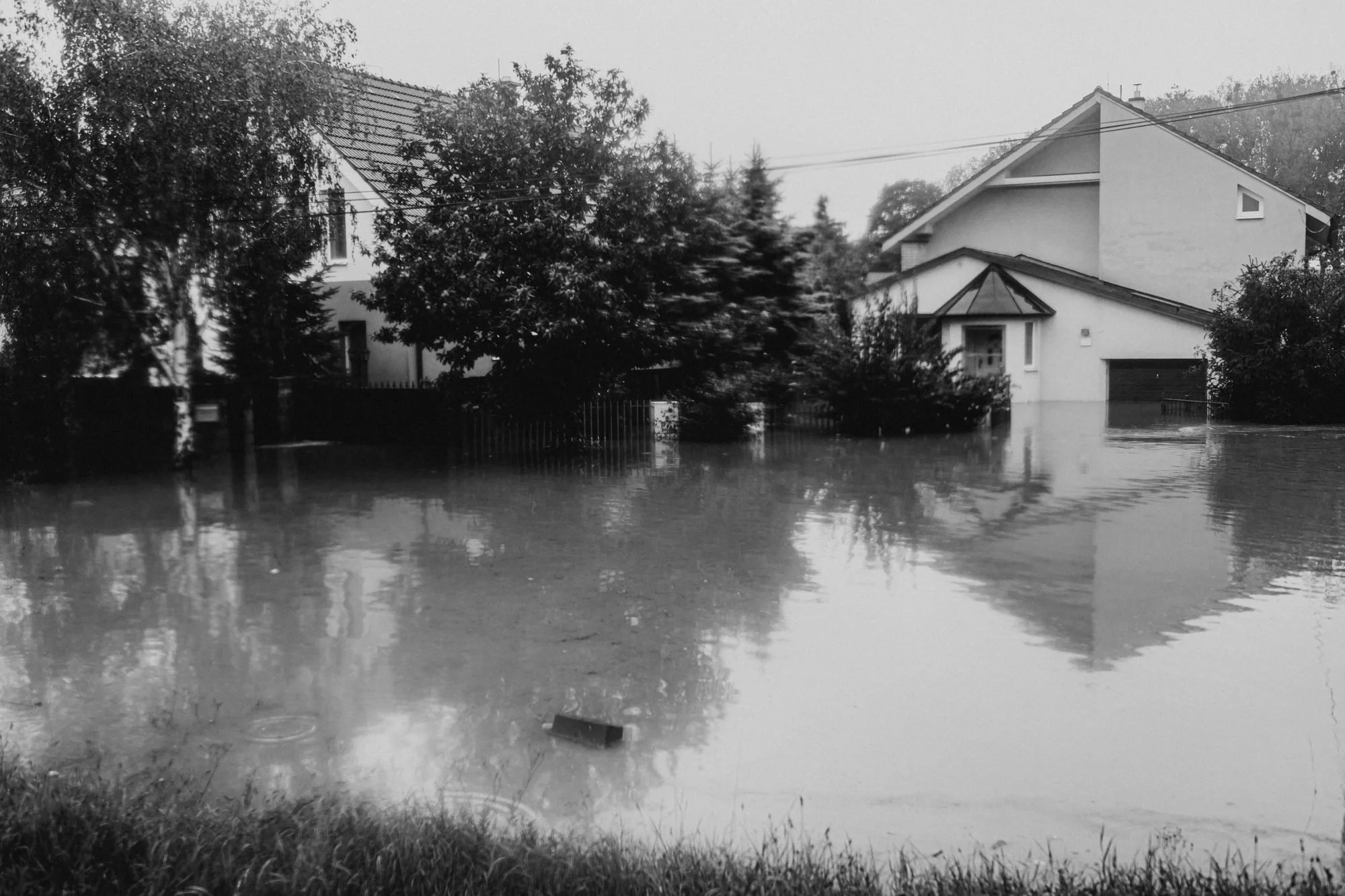
The last three weeks have been some of the hardest our community has faced. On September 26, Hurricane Helene pushed storm surge up our coast. The National Weather Service in Tampa Bay recorded water about 6 feet above the average daily high-tide line at Port Manatee. Then on the night of October 9, Hurricane Milton came ashore right here. The National Hurricane Center reported landfall near Siesta Key in Sarasota County as a Category 3 hurricane with maximum sustained winds near 120 mph.
If you're cleaning up or staying with family, please take care of yourself first. When you're ready, here's a practical guide for homeowners, buyers, sellers and investors in Manatee and Sarasota counties.
First Steps for Homeowners
Document everything. Before you move debris or start repairs, take dated photos and video of every room, the roof, fences, pool cage and any water lines on walls. Keep receipts for tarps, fans, hotel stays and emergency repairs.
Report your claim promptly. Under Florida law (s. 627.70132, F.S.), notice of a new property insurance claim must be given within one year after the date of loss, and supplemental claims within 18 months. Don't wait that long if you don't have to. Earlier claims are easier to document.
Know your policy protections. After Helene, the Florida Office of Insurance Regulation issued an emergency order covering counties including Manatee and Sarasota. It extends grace periods and limits policy cancellations and nonrenewals from September 26 through November 26, 2024. If you get a notice that worries you, call your agent or insurer before you assume the worst.
Apply for federal help if you qualify. Both storms have major disaster declarations that include Individual Assistance for Manatee and Sarasota counties: DR-4828 for Helene, declared September 28, and DR-4834 for Milton, declared October 11. You can apply at DisasterAssistance.gov. Remember that flood damage is typically covered by flood insurance, not a standard homeowners policy.
The "50% Rule" Every Owner in a Flood Zone Should Know
If your home is in a special flood hazard area and took on water, ask your city or county building department about substantial damage. Under the National Flood Insurance Program rules, if the cost to repair a building equals or exceeds 50% of its market value, the building generally has to be brought into compliance with current floodplain requirements. That can mean elevating it. Local officials make that determination, so get permits and keep your repair estimates organized. This one issue can shape whether you repair, rebuild or sell.
If You're Buying Right Now
Re-inspect before closing. If you were under contract when either storm hit, don't skip a fresh look. Schedule a new walk-through and, where it makes sense, a roof, wind mitigation or general inspection. Water intrusion isn't always visible the first week.
Read your contract's damage provisions. Most Florida purchase contracts address what happens if a property is damaged before closing. Review your options with your agent, and with an attorney if needed, before deadlines run.
Line up insurance early. Insurers commonly pause new policies when a storm threatens. As carriers resume writing, give yourself extra time to get quotes and bind coverage, because your lender will require it before closing.
Rates are still friendlier than last year. The Federal Reserve cut its benchmark rate by half a percentage point on September 18, to 4.75%–5.00%. Freddie Mac's Primary Mortgage Market Survey showed the 30-year fixed at 6.08% on September 26, the lowest in two years. It ticked back up to 6.32% for the week of October 10. Rates move week to week, so a lender can help you decide when to lock.
If You're Selling
Disclose what you know. Florida sellers have a duty to disclose known facts that materially affect a home's value and aren't readily observable. That includes storm damage, water intrusion, insurance claims and repairs. Being upfront protects you and builds buyer confidence.
Keep a repair file. Permits, invoices, contractor licenses, photos and insurance correspondence all help a buyer's inspector and insurer get comfortable. A well-documented home is easier to sell.
Price with today's reality in mind. Buyers will be asking about elevation, flood zones, roof age and storm history more than ever. If your home came through both storms intact, highlight that with facts.
For Investors
Check on tenants first, then inspect every unit and document conditions. Review your landlord policy, loss-of-rents coverage and any flood policies. Before you buy storm-damaged property, get repair estimates and talk to the local building department about the substantial-damage rule. A discount that looks attractive can disappear if the building has to be elevated.
We'll Get Through This Together
This is my community too, and I know how exhausting these weeks have been. If you need help sorting out what storm damage means for a purchase, a sale or a rental property, or you just want a second set of eyes on a repair plan, I'm here. Call or text me at (941) 993-8311 or reach out through my contact page. I work with clients in English and Spanish.
Luis Odon, REALTOR® Keller Williams Coastal Living II (941) 993-8311
This article is general information only and is not legal, insurance or financial advice. Disaster-assistance rules, deadlines and insurance orders can change; confirm details with FEMA, your insurer and local officials. Equal Housing Opportunity.
The Market Pulse
One email a month with the numbers that move Lakewood Ranch, Bradenton, Sarasota, Parrish and Palmetto real estate: mortgage rates, prices, inventory, and what they mean for buyers, sellers and investors. Sourced data, no spam.
By subscribing, you agree to receive the monthly Market Pulse email from Luis Odon, REALTOR®, Keller Williams Coastal Living II. Unsubscribe anytime.