
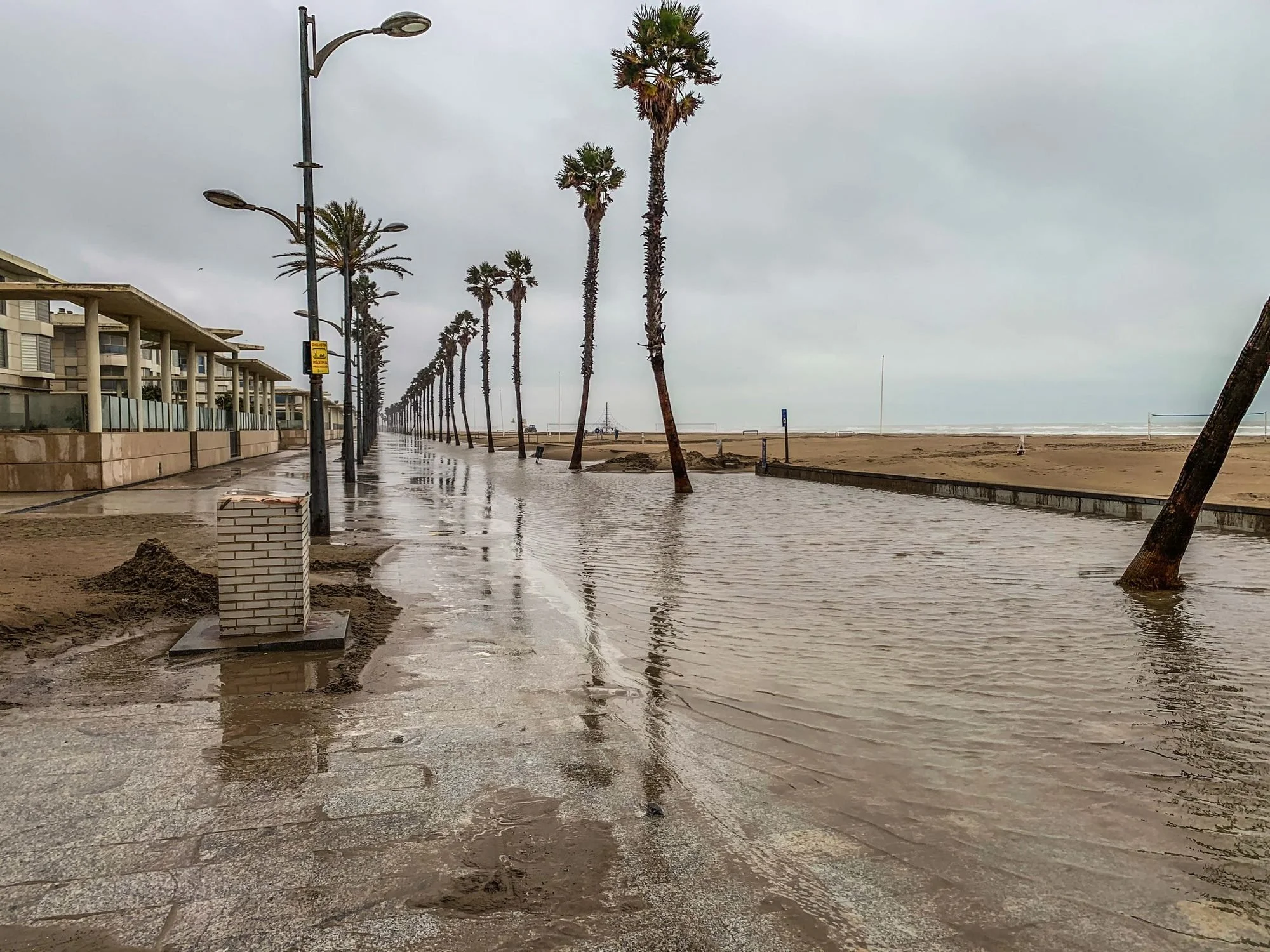
Florida's Expanded Flood Disclosure Law Takes Effect, Plus the NFIP Lapse: What Sellers and Landlords Need to Know
Florida's expanded flood disclosure rules for sales and new rental disclosures took effect Oct. 1, the same day the NFIP lapsed. Here's what to do.
Two things happened on October 1, 2025 that matter to anyone selling, buying or renting out a home in Manatee and Sarasota counties. Florida's expanded flood disclosure law took effect. And the National Flood Insurance Program's authority lapsed when the federal government shut down. Add the Federal Reserve's rate cut in mid-September, and it's a busy fall. Here's what you need to know.
Florida's Expanded Flood Disclosure for Home Sales
Florida first required a flood disclosure for residential sales in 2024. This year the Legislature expanded it. Under chapter 2025-166, Laws of Florida, effective October 1, a seller of residential property must give the buyer a flood disclosure at or before the time the sales contract is signed. The form must state whether the seller:
Has knowledge of any flooding that damaged the property during the seller's ownership. This is new. It covers damaging flooding even if no claim was filed.
Has filed a flood-damage claim with an insurance provider, including the National Flood Insurance Program.
Has received assistance for flood damage, including from FEMA. The old form referred to federal assistance. Now any assistance counts.
The form also explains that homeowners insurance policies don't cover flood damage, and it defines "flooding" to include overflow of inland or tidal waters, rapid runoff accumulation, and sustained standing water from rainfall. As Florida Realtors' legal team explains, Florida sellers were already required to disclose known facts that materially affect value and aren't readily observable. The new form spells out flood history specifically.
What This Means for Sellers
After Helene and Milton, some homes in our area had flood exposure, even if the water was brief or the damage was repaired. My advice:
Fill out the form yourself, honestly and completely. Your agent can point you to the form, but the information has to come from you.
Gather your records: claim numbers, adjuster reports, repair invoices, permits, and any FEMA or other assistance paperwork.
Tell the story with documentation. "Yes, we had water in 2024. Here's who repaired it, the permits and the photos" is far stronger than a buyer discovering it on their own.
Plan for questions about flood insurance. Buyers will be pricing coverage. An elevation certificate, if you have one, can be very helpful.
What This Means for Buyers
The disclosure is a starting point, not the whole story. Pair it with a thorough inspection, a look at the property's flood zone and elevation, and a flood insurance quote, even if the home isn't in a high-risk zone and your lender doesn't require one. Ask follow-up questions about any "yes" answers.
Landlords: A New Rental Flood Disclosure
The same law created a new disclosure for rentals. Landlords must provide a flood disclosure at or before signing a lease of one year or longer, covering the same three points. It must be a separate document, not buried in the lease. According to Florida Realtors, if a landlord doesn't provide it and the tenant suffers substantial loss or damage from flooding, the tenant may terminate the lease and the landlord must refund advance rent. If you own rentals in Bradenton, Palmetto or Sarasota, update your lease packet now.
The NFIP Lapse: What It Means for Closings
With the government shutdown that began October 1, the NFIP's authority to write new policies lapsed. Here's what's been reported by Independent Agent (IA) magazine and outlined in a Congressional Research Service brief:
Existing policies remain in force until they expire, and FEMA can continue paying valid claims with funds on hand.
New NFIP policies can't be issued during the lapse. Renewals are limited to those applied for before September 30 with the premium paid within the 30-day grace period.
That can affect home purchases that need flood insurance to close. Private flood insurance may be an option, and the federal purchase requirement is suspended during a lapse, so lenders decide whether coverage is needed.
If you're under contract on a home that will need flood coverage, call your lender and insurance agent today. Ask whether private flood coverage is available and acceptable, and whether your timeline needs adjusting.
Rates Eased After the Fed's September Cut
On September 17, the Federal Reserve cut its benchmark rate by a quarter point to a range of 4.00%–4.25%, its first cut of 2025. Freddie Mac's Primary Mortgage Market Survey showed the 30-year fixed at 6.26% on September 18, the lowest in about a year, and 6.34% for the week of October 2. Payments are noticeably better than earlier this year. Just be sure flood and homeowners insurance are part of your budget from the start.
Let's Make Your Sale or Purchase Smooth
Disclosure rules and insurance questions are part of buying and selling on Florida's Gulf Coast. Handled early, they don't have to derail anything. If you're selling, buying or leasing a property in Manatee or Sarasota and want help, call or text me at (941) 993-8311 or reach out through my contact page.
Luis Odon, REALTOR® Keller Williams Coastal Living II (941) 993-8311
This article is general information only and is not legal, insurance or financial advice. Consult a Florida real estate attorney and a licensed insurance agent about your specific situation. Equal Housing Opportunity.
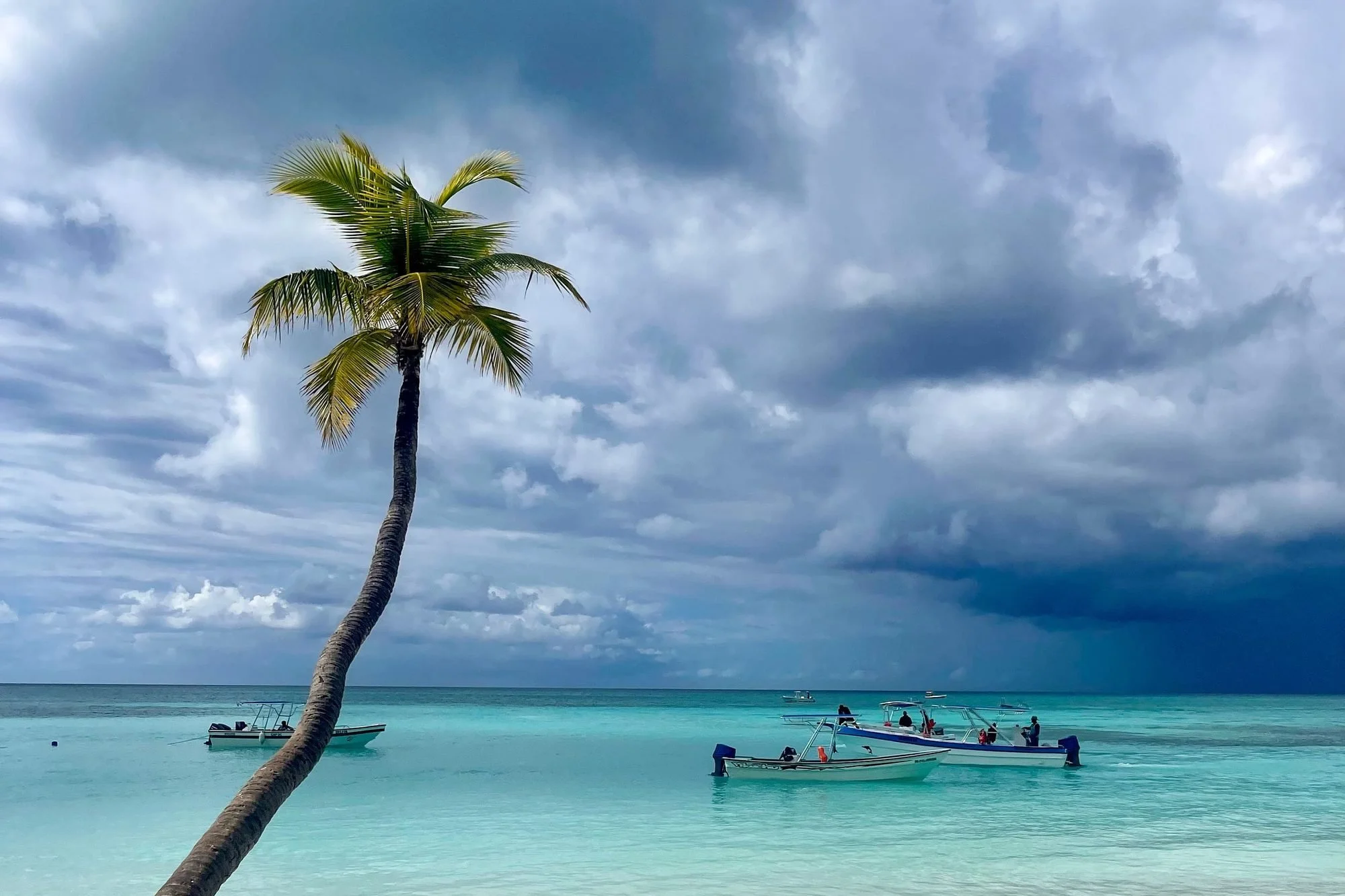
Hurricane Season 2025: What NOAA's Forecast and Insurance Trends Mean for Sellers and Buyers
NOAA is forecasting an above-normal 2025 season while Florida's insurance market shows signs of stabilizing. Here's how sellers, buyers and owners can prepare.
Hurricane season officially starts June 1 and runs through November 30. After what our area went through last fall, nobody in Manatee or Sarasota needs a reminder to take it seriously. This week we also got the first official forecast for 2025, along with some encouraging news about Florida's insurance market. Here's what it all means if you're selling, buying or holding property this summer.
What NOAA Is Forecasting
On May 22, NOAA released its 2025 Atlantic hurricane season outlook. Forecasters give the season a 60% chance of being above normal and expect:
13 to 19 named storms
6 to 10 hurricanes
3 to 5 major hurricanes (Category 3 or stronger)
A seasonal outlook doesn't predict whether a storm will hit our coast, but it's a good reason to plan early. That's true whether you live here year-round or own a second home or rental.
Insurance: Some Signs of Stability
Insurance has been the biggest cost worry for many of my clients. The latest data from regulators points in a better direction:
In April, the Florida Office of Insurance Regulation announced the 12th new property insurer to enter the market since the state's recent legislative reforms.
The same announcement reported that homeowners insurance costs fell 0.7% in the fourth quarter of 2024. OIR said it had received nearly 100 residential filings requesting rate decreases or no increase. Since January 2024, 19 companies filed for decreases and 37 requested no change.
Citizens Property Insurance has approved 2025 rate changes for new and renewal policies effective on or after June 1, 2025. For primary residences, changes range from a 10% decrease to a 14% increase depending on territory and other factors. For non-primary properties, such as second homes and many rentals, the range is 0% to a 50% increase.
None of that means every homeowner's premium is going down. Your rate still depends on your home's age, roof, construction, location and claims history. But more carriers competing is good news for buyers shopping for coverage and for sellers whose buyers need it.
If You're Selling This Summer
Gather your insurance-friendly paperwork now. Buyers' insurers will want to know about the roof, wind protection and major systems. Having these ready can speed up quotes and keep your closing on schedule:
A current wind mitigation inspection report, which can show features that may qualify for premium discounts
Roof permit and installation date
Permits and invoices for any storm repairs from 2024
Shutter or impact window documentation
Be transparent about storm history. If your home had damage or claims from Helene or Milton, disclose what you know and show how it was repaired. Buyers are asking, and good documentation builds trust.
Plan for storm-related delays. When a storm threatens, insurers commonly suspend writing new policies (often called a binding moratorium) until the threat passes. A buyer who hasn't bound coverage can't close with a lender. Talk with your agent about contract timelines that leave a little room during peak season.
Have a listing storm plan. Know who will secure the property, bring in patio furniture, put up shutters and photograph the home's condition before and after a storm, especially if you've already moved.
If You're Buying
Shop for insurance as soon as you're under contract, or even before you make an offer on a home you're serious about. Ask the seller for the wind mitigation report and roof information. On older homes, expect insurers to ask for a four-point inspection.
Bind early. Don't wait until the week before closing. If a storm forms, you could be locked out of new coverage until it passes.
Watch your rate. Freddie Mac's Primary Mortgage Market Survey put the 30-year fixed average at 6.86% for the week of May 22, 2025. When you're budgeting, look at principal, interest, taxes, insurance and any HOA or CDD fees together.
If You Own Rentals or a Second Home
Non-primary properties can see larger Citizens increases this year, so review your renewal carefully and compare options. Check your flood coverage, too. Standard homeowners and landlord policies typically don't cover flood. Make sure tenants know your storm procedures and how to reach you.
Get Ready Now, Not When the Cone Shows Up
The best time to prepare is before a storm has a name. Update your family plan, check your insurance documents, take a video inventory of your home and know your evacuation zone through Manatee County or Sarasota County emergency management.
If you're thinking about selling, buying or reviewing a property's storm readiness this season, I'm happy to help you plan. Call or text me at (941) 993-8311 or reach out through my contact page.
Luis Odon, REALTOR® Keller Williams Coastal Living II (941) 993-8311
This article is general information only and is not insurance, legal or financial advice. Rates and coverage vary by property and carrier; consult a licensed insurance agent about your situation. Equal Housing Opportunity.
The Market Pulse
One email a month with the numbers that move Lakewood Ranch, Bradenton, Sarasota, Parrish and Palmetto real estate: mortgage rates, prices, inventory, and what they mean for buyers, sellers and investors. Sourced data, no spam.
By subscribing, you agree to receive the monthly Market Pulse email from Luis Odon, REALTOR®, Keller Williams Coastal Living II. Unsubscribe anytime.