

How to Buy a House in Florida: A Step-by-Step Guide (2026)
Buying a home in Florida comes with its own rules, from state closing taxes to hurricane insurance and the homestead exemption. Here's every step in 2026, with official data for Manatee and Sarasota.
Buying a home in Florida has its own playbook: state closing taxes, hurricane-driven insurance, a valuable homestead exemption, and even a state law that limits certain purchases by some foreign buyers. This guide walks through every step with official, current data for Manatee and Sarasota counties: Lakewood Ranch, Bradenton, Sarasota, Parrish and Palmetto.
Step 1: Know the Market and Your Real Budget
In August 2026, the median single-family sale price was $495,000 in Manatee County (+5.9% year over year) and $470,000 in Sarasota County (−1.1%). Condo and townhome medians were $307,000 and $310,000 (REALTOR® Association of Sarasota and Manatee, released Sep 16, 2026).
Your budget is more than the mortgage payment. In Florida, also plan for: - Property taxes, which depend on the county and on whether you qualify for the homestead exemption (Step 7). - Homeowners insurance. The average premium including wind was $3,181 a year in Manatee and $3,457 in Sarasota, based on policies in force on March 31, 2026 (Florida Office of Insurance Regulation, Jul 1, 2026). - HOA dues and, in many newer communities, CDD assessments (Community Development District), which appear on the property tax bill.
Step 2: Get Pre-Approved and Know Your Loan Options
The 30-year fixed-rate average was 7.28% for the week of October 1, 2026 (Freddie Mac PMMS). Your actual rate depends on credit, down payment and loan type. The most common options:
Conventional loans
Fannie Mae allows 3% down through HomeReady (for incomes up to 80% of area median income; you don't need to be a first-time buyer) and on standard loans when at least one borrower is a first-time buyer (Fannie Mae 97% LTV options; HomeReady).
FHA loans
The minimum investment is 3.5% in most cases (HUD, Jun 2025). Important: since May 25, 2025, FHA financing is limited to U.S. citizens and lawful permanent residents. Non-permanent residents no longer qualify (HUD Mortgagee Letter 2025-09).
ITIN loans
Some private lenders offer mortgages to borrowers who file taxes with an ITIN instead of a Social Security number. These are not FHA loans, and requirements (down payment, rate, documentation) vary widely by lender. Compare several written offers.
Down payment assistance
Florida's Hometown Heroes 2026 program offers up to 5% of the first mortgage (minimum $10,000, maximum $35,000). It comes as a 0%, 30-year deferred, non-forgivable second mortgage for income-qualified first-time buyers who work full time in eligible occupations, including health care, school staff, first responders, child care, servicemembers and veterans (Florida Housing). See other statewide options at Florida Housing. Never pay a fee to "apply" for assistance. Florida Housing warns that this is a common scam tactic.
Step 3: Choose Your Agent and Sign a Buyer Agreement
Since August 17, 2024, agents who use the MLS must have a written agreement with a buyer before touring homes, including virtual tours. The agreement must state the agent's compensation and that it is negotiable (Florida Realtors; NAR consumer guide). Ask your agent to walk you through every clause before you sign.
Step 4: Search, Compare and Make an Offer
In Manatee County, single-family homes took a median of 45 days to go under contract, and sellers received a median 95.6% of original list price in August 2026 (RASM). In practice, there is often room to negotiate on price or closing costs, but well-located, well-priced homes still move faster.
A typical offer includes: - An escrow deposit, held by a title company or attorney. - An inspection period, during which you inspect, get insurance quotes and, depending on the contract, can cancel. - A financing contingency and a closing date.
Step 5: Inspections, Insurance and Flood Risk
General home inspection, plus a 4-point inspection (roof, electrical, plumbing, HVAC) and a wind-mitigation report. Insurers often ask for both, and they can lower your premium.
Flood zone: check FEMA's official map at msc.fema.gov. Flood insurance is a separate policy.
Flood disclosure: since October 1, 2025, Florida sellers must disclose in writing, at or before contract signing, any known flooding, flood insurance claims, and federal flood assistance (such as FEMA) related to the property (§689.302, Fla. Stat.).
Tip: get insurance quotes during the inspection period. Your lender will require a bound policy before closing.
Step 6: Title and Closing
A title company or attorney confirms the property has clear title, prepares documents and coordinates closing. Florida charges specific taxes (Florida Department of Revenue): - Documentary stamp tax on the deed: $0.70 per $100 of the price. - If you finance: documentary stamp tax on the note and mortgage of $0.35 per $100 of the loan, plus the nonrecurring intangible tax of 0.2% (2 mills) on the recorded mortgage.
Who pays each cost is set by your contract. By law, you must receive your Closing Disclosure at least three business days before closing (CFPB). Use that time to compare it with your Loan Estimate.
Step 7: File for Homestead (by March 1)
If the home is your permanent, primary residence, the homestead exemption can reduce its assessed value by up to $50,000. The first $25,000 applies to all taxes, and the second $25,000 does not apply to school taxes. You must own and live in the home on January 1 and apply by March 1 (Manatee County Property Appraiser).
November 3, 2026 ballot: Amendment 3 would raise the exemption for non-school taxes to $150,000 in 2027 and $250,000 in 2028, and it needs 60% voter approval. If it passes, people who are not Florida residents on December 31, 2026 would first receive the existing exemption, with the larger exemption starting in their fifth year (official amendment booklet, updated Sep 3, 2026). Ask a tax professional how timing applies to you.
Buying From Abroad? What Florida's SB 264 Says
Florida's SB 264 (2023) restricts property purchases by "foreign principals" connected to China, Russia, Iran, North Korea, Cuba, the Venezuelan regime of Nicolás Maduro, and Syria (Florida Senate). The definition includes people domiciled in those countries who are not U.S. citizens or lawful permanent residents. These buyers may not acquire property within 10 miles of a military installation or critical infrastructure. A limited exception allows one residential property of up to 2 acres that is more than 5 miles from a military installation, if the buyer holds a current non-tourist visa or asylum documentation (enrolled bill text). Some purchases require a sworn affidavit at closing. If this could apply to you, talk with a Florida real estate attorney before you make an offer.
Why Work With Luis
Luis Odon is a REALTOR® with Keller Williams Coastal Living II, serving buyers, sellers and investors across Lakewood Ranch, Bradenton, Sarasota, Parrish and Palmetto. Se habla español: I'm happy to help in Spanish.
Already own a home? Get a free home value estimate. Interested in rental property? Start here.
Get the Florida Buyer Roadmap
A step-by-step checklist, a pre-approval document list, questions to ask your lender and insurance agent, and key dates (homestead by March 1), plus a free consultation with Luis.
Get the roadmap and book a call → · What's my home worth? → · Investors →
Luis Odon, REALTOR® · Keller Williams Coastal Living II · (941) 993-8311 · LuisfjosRealtor@gmail.com
Data is from the linked sources as of the dates shown and may change. This article is general information, not legal, tax, insurance or lending advice. Equal Housing Opportunity.
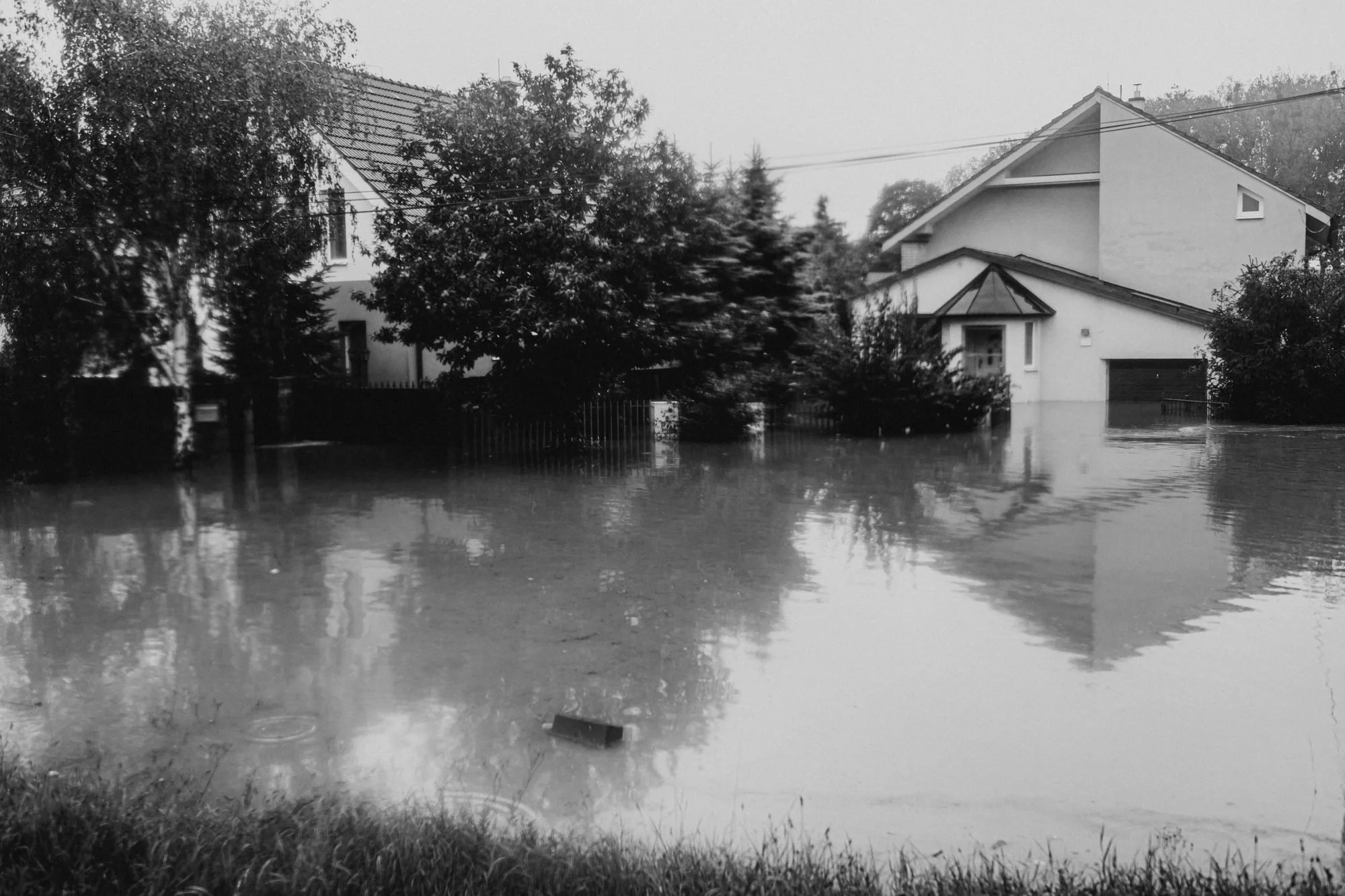
After Helene and Milton: A Practical Guide for Manatee & Sarasota Homeowners, Buyers and Sellers
Two hurricanes in two weeks hit our coast hard. Here's a calm, practical checklist for claims, FEMA aid, the 50% rule, and buying or selling after the storms.
The last three weeks have been some of the hardest our community has faced. On September 26, Hurricane Helene pushed storm surge up our coast. The National Weather Service in Tampa Bay recorded water about 6 feet above the average daily high-tide line at Port Manatee. Then on the night of October 9, Hurricane Milton came ashore right here. The National Hurricane Center reported landfall near Siesta Key in Sarasota County as a Category 3 hurricane with maximum sustained winds near 120 mph.
If you're cleaning up or staying with family, please take care of yourself first. When you're ready, here's a practical guide for homeowners, buyers, sellers and investors in Manatee and Sarasota counties.
First Steps for Homeowners
Document everything. Before you move debris or start repairs, take dated photos and video of every room, the roof, fences, pool cage and any water lines on walls. Keep receipts for tarps, fans, hotel stays and emergency repairs.
Report your claim promptly. Under Florida law (s. 627.70132, F.S.), notice of a new property insurance claim must be given within one year after the date of loss, and supplemental claims within 18 months. Don't wait that long if you don't have to. Earlier claims are easier to document.
Know your policy protections. After Helene, the Florida Office of Insurance Regulation issued an emergency order covering counties including Manatee and Sarasota. It extends grace periods and limits policy cancellations and nonrenewals from September 26 through November 26, 2024. If you get a notice that worries you, call your agent or insurer before you assume the worst.
Apply for federal help if you qualify. Both storms have major disaster declarations that include Individual Assistance for Manatee and Sarasota counties: DR-4828 for Helene, declared September 28, and DR-4834 for Milton, declared October 11. You can apply at DisasterAssistance.gov. Remember that flood damage is typically covered by flood insurance, not a standard homeowners policy.
The "50% Rule" Every Owner in a Flood Zone Should Know
If your home is in a special flood hazard area and took on water, ask your city or county building department about substantial damage. Under the National Flood Insurance Program rules, if the cost to repair a building equals or exceeds 50% of its market value, the building generally has to be brought into compliance with current floodplain requirements. That can mean elevating it. Local officials make that determination, so get permits and keep your repair estimates organized. This one issue can shape whether you repair, rebuild or sell.
If You're Buying Right Now
Re-inspect before closing. If you were under contract when either storm hit, don't skip a fresh look. Schedule a new walk-through and, where it makes sense, a roof, wind mitigation or general inspection. Water intrusion isn't always visible the first week.
Read your contract's damage provisions. Most Florida purchase contracts address what happens if a property is damaged before closing. Review your options with your agent, and with an attorney if needed, before deadlines run.
Line up insurance early. Insurers commonly pause new policies when a storm threatens. As carriers resume writing, give yourself extra time to get quotes and bind coverage, because your lender will require it before closing.
Rates are still friendlier than last year. The Federal Reserve cut its benchmark rate by half a percentage point on September 18, to 4.75%–5.00%. Freddie Mac's Primary Mortgage Market Survey showed the 30-year fixed at 6.08% on September 26, the lowest in two years. It ticked back up to 6.32% for the week of October 10. Rates move week to week, so a lender can help you decide when to lock.
If You're Selling
Disclose what you know. Florida sellers have a duty to disclose known facts that materially affect a home's value and aren't readily observable. That includes storm damage, water intrusion, insurance claims and repairs. Being upfront protects you and builds buyer confidence.
Keep a repair file. Permits, invoices, contractor licenses, photos and insurance correspondence all help a buyer's inspector and insurer get comfortable. A well-documented home is easier to sell.
Price with today's reality in mind. Buyers will be asking about elevation, flood zones, roof age and storm history more than ever. If your home came through both storms intact, highlight that with facts.
For Investors
Check on tenants first, then inspect every unit and document conditions. Review your landlord policy, loss-of-rents coverage and any flood policies. Before you buy storm-damaged property, get repair estimates and talk to the local building department about the substantial-damage rule. A discount that looks attractive can disappear if the building has to be elevated.
We'll Get Through This Together
This is my community too, and I know how exhausting these weeks have been. If you need help sorting out what storm damage means for a purchase, a sale or a rental property, or you just want a second set of eyes on a repair plan, I'm here. Call or text me at (941) 993-8311 or reach out through my contact page. I work with clients in English and Spanish.
Luis Odon, REALTOR® Keller Williams Coastal Living II (941) 993-8311
This article is general information only and is not legal, insurance or financial advice. Disaster-assistance rules, deadlines and insurance orders can change; confirm details with FEMA, your insurer and local officials. Equal Housing Opportunity.

New Buyer Agreement Rules: What the August 17 Changes Mean in Manatee & Sarasota
Buyers now need a written agreement with their agent before touring homes. Here's what changed on August 17 and how it affects buyers, sellers and investors locally.
If you've been house hunting in Bradenton, Lakewood Ranch or Sarasota this summer, you may have seen headlines about "new real estate rules." As of Saturday, August 17, 2024, those rules are in effect. They came out of the National Association of REALTORS® settlement, and they change some of the paperwork and conversations at the start of a home search.
The short version: you can still tour homes, make offers and get great representation. You'll just sign a clear, written agreement with your agent first. Here's what changed and what it means for buyers and sellers here in Manatee and Sarasota counties.
What Changed on August 17
According to Florida Realtors' summary of the practice changes, two big changes took effect nationwide:
A written agreement before touring. An MLS participant working with a buyer must have a written agreement with that buyer before touring a home. That includes in-person showings and live virtual tours.
No offers of buyer-agent compensation on the MLS. Listings in the MLS can no longer show an offer of compensation to the buyer's broker. Sellers can still offer compensation to a buyer's agent; that conversation just happens off the MLS. Sellers can also still offer buyer concessions on the MLS, such as help with closing costs.
NAR's own consumer guide to the settlement is worth reading too. It stresses that commissions have always been negotiable and still are.
What Goes Into a Buyer Agreement
Under the new rules, a written buyer agreement must:
State the agent's compensation clearly. It must be objective, such as a flat fee, a percentage or an hourly rate. It can't be open-ended, like "whatever the seller offers."
Cap what the agent can receive. Your agent can't receive more from any source than the amount you agreed to.
Say plainly that fees are negotiable. The agreement must state that broker fees are fully negotiable and not set by law.
Florida Realtors has updated its standard forms to reflect these requirements, so the paperwork you'll see is designed around the new rules.
What This Means for Buyers in Manatee & Sarasota
Expect the agreement conversation up front. Before we tour that pool home in Parrish or that condo near downtown Sarasota, we'll sit down (or hop on a call) and go over the agreement together. That way you'll know exactly what services you're getting and what they cost before you fall in love with a house.
You don't need an agreement just to talk. Chatting with an agent at an open house or asking about their services doesn't require a signed agreement. The requirement applies before touring. NAR's guidance also encourages buyers to ask agents about their services, compensation and agreement terms before signing. I welcome those questions.
Know who pays. In many cases the seller may still agree to pay some or all of the buyer's agent fee, or offer concessions you can put toward costs. If the seller doesn't cover it, the buyer is responsible under the agreement. That's why it matters to talk through your budget and offer strategy together. Asking the seller for a contribution can be part of your offer.
Rates are helping a little. On the financing side, Freddie Mac's Primary Mortgage Market Survey put the 30-year fixed average at 6.49% for the week of August 15, 2024, down from 7.09% a year earlier. That's a meaningful improvement in monthly payments.
What This Means for Sellers
If you're selling in Bradenton, Palmetto or Sarasota, you have choices to make with your listing agent:
Whether to offer buyer-agent compensation. You can still offer it; it just can't appear in the MLS.
Whether to offer concessions. Closing-cost help can still be advertised on the MLS, and it can make your home stand out to buyers stretching to afford today's prices and insurance costs.
How to compare offers. An offer that asks you to cover the buyer's agent fee isn't automatically weaker than one that doesn't. What matters is your net proceeds and how strong the terms are. Your listing agent should walk you through the numbers side by side.
What This Means for Investors
For investors buying duplexes, small multifamily or rentals, the rules work the same way: sign the agreement before touring. If you buy often, consider an agreement written to fit your strategy and timeline rather than signing a new one for every property. And build any buyer-agent fee into your numbers from the start, the same as closing costs, inspections and reserves.
My Take
These changes add some paperwork, but they also add clarity. My job hasn't changed: help you find the right property in Manatee or Sarasota, negotiate hard and get you to closing with no surprises.
Have questions about the new buyer agreements or how they'd work for your purchase or sale? Call or text me at (941) 993-8311 or reach out through my contact page. I work with clients in English and Spanish.
Luis Odon, REALTOR® Keller Williams Coastal Living II (941) 993-8311
This article is for general information only and is not legal or financial advice. Rules and forms may change; consult a qualified professional about your situation. Equal Housing Opportunity.
The Market Pulse
One email a month with the numbers that move Lakewood Ranch, Bradenton, Sarasota, Parrish and Palmetto real estate: mortgage rates, prices, inventory, and what they mean for buyers, sellers and investors. Sourced data, no spam.
By subscribing, you agree to receive the monthly Market Pulse email from Luis Odon, REALTOR®, Keller Williams Coastal Living II. Unsubscribe anytime.